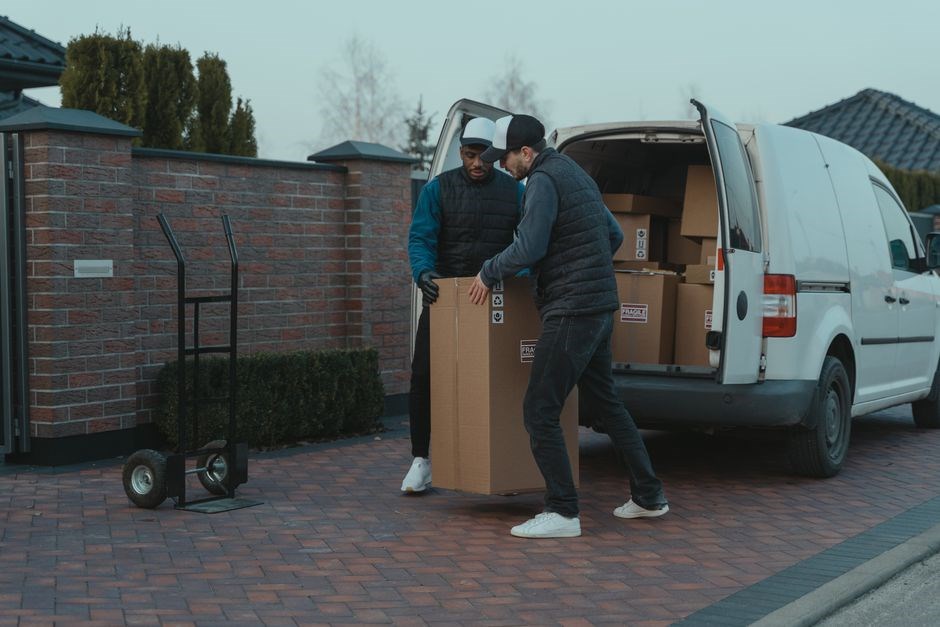
Tile stands for Task, Individual, Load, Environment—four pillars that guide safe manual handling. By assessing each element, workers can identify risks, plan movements, and choose proper equipment, reducing injury and improving efficiency. This method aligns with safety standards and boosts confidence.!!

Defining the TILE Acronym in Context
Tile is a concise mnemonic that encapsulates the core dimensions of manual handling risk. Each letter represents a distinct aspect that must be evaluated before any lifting or carrying task is undertaken. The T stands for Task, encompassing the purpose, sequence, and duration of the activity. The I denotes Individual, reflecting the worker’s physical capacity, experience, and health status. L refers to Load, covering weight, shape, and stability of the object. Finally, E signifies Environment, including space, lighting, floor conditions, and potential obstructions. By systematically interrogating each component, safety professionals can identify hazards, quantify exposure, and design controls that align with best practice guidelines. Tile’s simplicity encourages consistent application across diverse settings—from warehouses to healthcare facilities—while its comprehensive nature ensures that no critical factor is overlooked. The framework supports both qualitative judgment and quantitative assessment, allowing teams to tailor interventions to specific contexts. In practice, a Tile analysis might reveal that a heavy pallet (L) is being moved in a poorly lit aisle (E), suggesting the need for additional lighting and a mechanical aid. Simultaneously, the worker’s limited strength (I) and the task’s repetitive nature (T) indicate a higher risk profile. Addressing each dimension in concert yields a robust risk mitigation strategy that protects personnel and enhances operational efficiency!!!??.
Task Component: Planning and Execution
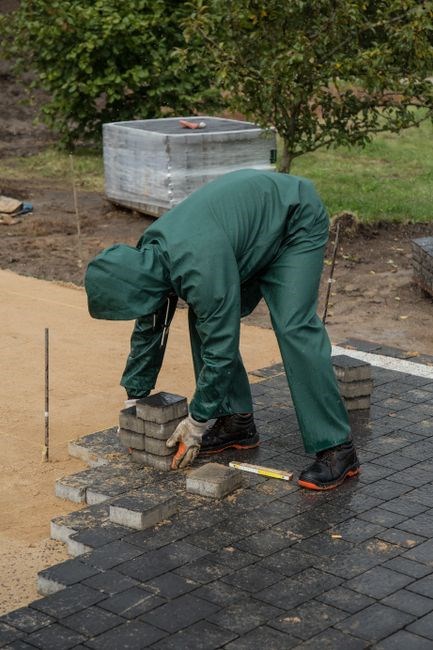
In the Tile framework, the Task element is the starting point for any manual handling assessment. It asks: what is the job, how long will it take, how many repetitions, and what sequence of movements are required? A clear task definition helps identify awkward postures, repetitive motions, and the need for mechanical aids. By documenting each Task element, supervisors build a risk register that evolves with changing loads, environments, and worker fatigue. The register guides real‑time decisions: when to use mechanical aids, adjust schedules, or redesign storage. Regular review of Task data reinforces safety culture, ensuring every lift meets high standards of care and compliance. This proactive approach reduces injury risk, boosts productivity, and fosters shared responsibility among staff now!!!
Individual Factors: Physical Capability and Training
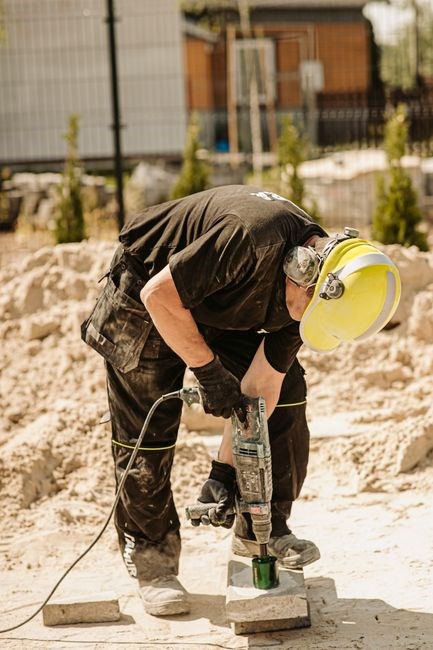
Tile’s Individual component focuses on the worker’s strength, flexibility, and health status. Before any lift, a quick assessment of the person’s physical capability—such as core stability, back endurance, and joint mobility—helps match tasks to abilities. Training programs should cover proper body mechanics, safe posture, and the use of assistive devices. Regular fitness checks and ergonomic workshops keep employees aware of limits and empower them to report discomfort early. By integrating individual data into the Tile matrix, managers can assign tasks that align with each worker’s capacity, reducing strain injuries and improving overall workforce resilience. Continuous education also builds a culture of safety, ensuring that every lift is performed with confidence and competence.!!
Assessing individual capability starts with baseline fitness tests. fit. Workers who show signs of fatigue or musculoskeletal strain receive targeted interventions such as physiotherapy or modified duties. Ongoing training sessions emphasize safe posture, correct hand placement, and the use of mechanical aids like trolleys or lift‑tables. Supervisors maintain a log of each employee’s physical status, updating it after injury or health changes. This dynamic record informs task allocation, ensuring that high‑risk lifts are assigned to those with adequate strength and experience. By fostering a culture of continuous improvement, organisations reduce the likelihood of overexertion injuries and promote long‑term worker well‑being.!!
Load Factors: Weight, Shape, and Stability
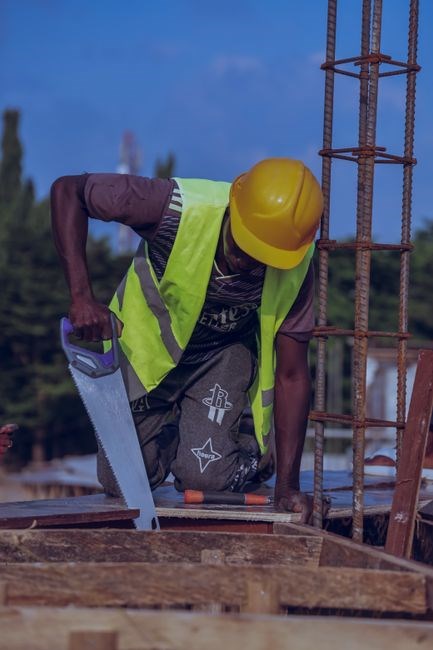
Tile’s Load element examines the physical attributes of the item to be moved. Weight is the primary determinant of strain; a load exceeding an individual’s safe carrying limit triggers the need for mechanical assistance or team lifting. Shape influences how the load is grasped or supported; irregular or bulky shapes can create awkward postures, increasing the risk of musculoskeletal injury. Stability refers to the load’s tendency to shift or tip during handling. A stable load with a low centre of gravity is easier to control, whereas a top‑heavy or uneven load demands extra caution and often a specialised rigging plan. Assessing these three factors together allows managers to select the most appropriate lifting method—manual, mechanical, or a hybrid—while ensuring compliance with occupational safety guidelines. By systematically recording weight, shape, and stability data, organisations can track high‑risk items, adjust training, and design better storage solutions. This proactive approach reduces injury rates, improves productivity, and supports a safer workplace culture. Regular load audits help maintain up‑to‑date risk profiles and inform procurement decisions. When a load is identified as high‑risk, a formal risk assessment must be completed before any movement. The Tile framework encourages continuous monitoring, ensuring that any changes in load characteristics are promptly addressed through updated risk assessments. In practice, a simple checklist can be used to verify that weight limits, shape constraints, and stability criteria are met before lifting commences. By embedding these checks into daily routines, organisations create a culture of safety that protects both employees and assets. Continuous improvement!OK
Environmental Factors: Space, Lighting, and Surface
Tile’s Environmental component evaluates the surroundings that influence manual handling safety. Adequate space is essential; a narrow aisle or cluttered floor forces awkward postures, increasing strain. Clear pathways allow workers to plan a straight lift, reducing the need for sudden turns or adjustments. Lighting is equally critical: dim or uneven illumination can conceal obstacles, leading to slips or misjudged distances; Proper lighting also improves visibility of load edges, preventing accidental drops. Surface conditions—whether smooth, carpeted, or uneven—directly affect traction. Slippery or irregular floors raise the risk of slips, trips, and falls. Tile recommends routine surface inspections, immediate spill cleanup, and the use of non‑slip mats where necessary. Environmental controls should be documented in the risk assessment, and any deficiencies must be addressed before lifting commences. By integrating space, lighting, and surface checks into daily operations, organisations create a safer environment that supports the other Tile pillars—task, individual, and load—ensuring a holistic approach to injury prevention.
Tile also emphasizes floor maintenance and hazard marking. Wet or oil‑slicked surfaces must be flagged with warning signs and cleaned promptly. Uneven flooring, such as raised edges or loose tiles, should be repaired or covered with anti‑trip strips. Adequate ventilation reduces dust accumulation, which can obscure hazards. Temperature control prevents fatigue and grip loss. Ergonomic tools—adjustable pallet jacks or hand trucks—must match environmental constraints to reduce manual effort and enhance safety. Regular inspections ensure that any changes in floor condition are promptly addressed. and clear signage!!
Integrating TILE with the LITE Framework
Tile and LITE are complementary risk‑management models that, when combined, provide a comprehensive safety matrix for manual handling. Tile focuses on Task, Individual, Load, Environment, while LITE adds Leadership, Information, Training, and Evaluation. By mapping Tile’s four elements onto LITE’s five pillars, organisations can align operational controls with strategic oversight. For example, the Task element pairs with Leadership to ensure supervisors set clear lifting protocols; Individual matches Training to verify that each worker has the necessary skills; Load aligns with Information to maintain accurate weight and dimension records; Environment links to Evaluation, prompting regular audits of lighting, floor integrity, and space. This integration creates a feedback loop: data gathered during Tile assessments feed into LITE’s Evaluation, informing policy updates and training refreshes. The result is a dynamic system where tactical decisions are grounded in real‑time risk data, and strategic leadership continuously refines the safety culture. Tile’s granular focus on the physical act of lifting is therefore amplified by LITE’s broader organisational context, delivering a robust, evidence‑based framework that reduces injury rates and enhances operational resilience. By embedding TILE insights into LITE’s continuous improvement cycle, organisations create a resilient culture that protects workers, boosts productivity, and turns safety into a strategic advantage for the future compliance reputation.
Applying TILEO for Comprehensive Safety Assessment
TileO expands Tile by adding Organization and Equipment layers, ensuring each lift considers team coordination, tool suitability, and asset protection. It merges physical risk factors with operational context into actionable safety plan.
Workload Analysis: Identifying Hazards and Requirements

Tile, a cornerstone of manual‑handling safety, begins with a thorough workload analysis. The Task element directs focus to the specific activity—how many items, how often, and the sequence of motions required. By mapping the task flow, you uncover repetitive motions, awkward postures, and time‑critical steps that elevate risk. The Individual component then evaluates each worker’s physical capability, training level, and fatigue state, ensuring the task load matches human limits. Load assessment follows, measuring weight, size, and shape of each item; this informs whether manual effort or mechanical assistance is warranted. Environment factor reviews lighting, floor conditions, and spatial clearance, guaranteeing clear pathways and stable surfaces. Together, these layers reveal hidden hazards—such as narrow aisles, uneven flooring, or insufficient illumination—and define precise requirements: proper lifting techniques, adequate staffing, suitable equipment, and environmental controls; This systematic approach transforms raw workload data into actionable safety interventions, reducing injury risk and boosting productivity. By integrating TILEO, managers can align task design with workforce capability, ensuring that equipment selection, training schedules, and environmental controls are synchronized. This holistic view reduces strain incidents, improves compliance with occupational health standards, and supports continuous improvement in manual handling practices across all shifts for safety. daily.!
Physical Readiness: Evaluating Strength and Mobility
Tile’s Individual component demands a rigorous assessment of each worker’s physical readiness before any manual task commences. Strength testing—such as one‑repetition maximum lifts, grip force measurements, and endurance trials—provides objective data on whether a person can safely handle the projected load without overexertion. Mobility checks, including range‑of‑motion scans for the spine, shoulders, hips, and knees, reveal limitations that could force awkward postures or compensatory movements. These findings are cross‑referenced with the Task’s movement pattern to spot mismatches; for instance, a high‑reach lift may be fine for a flexible worker but hazardous for someone with reduced shoulder mobility. Training records and injury history further refine risk profiles, ensuring that workers with prior back or joint issues receive tailored guidance or alternative tools. The goal is to match the physical demands of the task with each individual’s capacity, thereby reducing the likelihood of acute strain, chronic injury, or fatigue‑related errors. Continuous monitoring—through periodic reassessments and real‑time feedback—keeps readiness aligned with evolving job demands and personal health changes, fostering a proactive safety culture that values both human capability and task design, while maintaining compliance with occupational health regulations and best practice standards. By integrating these checks into briefings, teams stay alert, adapt techniques, and uphold a culture of improvement.
Mass Assessment: Evaluating Weight and Dimensions
Tile’s Load element focuses on the mass of the item and its spatial footprint. Accurate weight measurement—using calibrated scales or manufacturer data—establishes the physical load that the worker must lift or move. Dimension analysis follows, noting length, width, height, and any protrusions that could affect grip or clearance. The combination of weight and size determines the required force, the potential for awkward postures, and the need for mechanical aids. For heavy or bulky objects, the risk of overexertion rises sharply; thus, the assessment must consider whether the load exceeds the worker’s safe handling limits, which are often defined by national guidelines such as the UK’s Health and Safety Executive or OSHA’s lifting tables. When dimensions exceed ergonomic thresholds—such as a reach beyond 1.2 m or a width that forces a staggered stance—the task may necessitate a team lift, a forklift, or a pallet jack. The Mass Assessment also evaluates the load’s shape: irregular or sharp edges increase the chance of injury during handling, while a uniform, symmetrical shape allows for better balance and control. By integrating weight, size, and shape data, the Tile framework enables managers to select appropriate lifting techniques, decide on the necessity of mechanical assistance, and design training that addresses specific challenges. This systematic approach reduces the likelihood of musculoskeletal disorders, ensures compliance with safety standards, and promotes a culture of proactive risk mitigation. Thank you!!
Spatial Conditions: Ensuring Unobstructed Pathways and Safe Surfaces
Tile’s Environmental factor examines the workspace layout, lighting, and floor integrity. The Spatial Conditions component requires a clear, wide corridor for the load to travel, free of obstacles such as pallets, signage, or temporary fixtures. A minimum width of 1.2 m is recommended for single‑person lifts, while team lifts may need 1.5 m. Pathways should be marked with high‑contrast paint or tape to signal safe routes, especially in low‑light areas. Adequate illumination—at least 300 lux for general work areas—reduces missteps and allows workers to judge distances accurately. Floor surfaces must be even, non‑slip, and free of loose debris. If the floor is uneven, a temporary mat or a rolling platform can level the load’s base, preventing sudden shifts that could destabilise the worker. Tile also advises checking for hidden hazards such as loose cables or uneven shelving that could catch a hand or alter the load’s centre of gravity. In high‑traffic zones, a dedicated hand‑rail or a temporary barrier can guide the load along a safe path, thereby reducing the risk of collision with other workers or equipment. By systematically mapping the route, verifying surface conditions, and ensuring proper lighting, the Spatial Conditions assessment guarantees that the load can be moved with minimal force and maximum control, thereby lowering the likelihood of strain injuries and accidents. By embedding these spatial checks into daily routines, organizations foster a proactive safety culture that protects people assets!
Comprehensive Framework: LITE’s Five Pillars of Safety
Tile’s focus on Task, Individual, Load, and Environment dovetails with LITE’s broader safety architecture, which frames risk mitigation through five interlocking pillars. The first pillar, Leadership, demands that senior managers visibly endorse safe handling practices, allocate resources for training, and model correct posture during demonstrations. The second pillar, Information, requires systematic collection of incident data, ergonomic assessments, and real‑time feedback from workers, enabling data‑driven adjustments to lifting protocols; Training, the third pillar, is a continuous cycle: initial instruction on Tile principles, refresher drills, and competency checks that certify each employee can evaluate task complexity, assess load characteristics, and judge environmental constraints. Evaluation, the fourth pillar, involves periodic audits of the physical workspace, equipment condition, and compliance with Tile checks, ensuring that any deviation from safe practice is promptly corrected. Finally, Environment, the fifth pillar, addresses the tangible workspace: clear pathways, adequate lighting, non‑slip flooring, and controlled temperature, all of which directly influence the effectiveness of Tile’s spatial analysis. Together, LITE’s pillars create a holistic safety net that reinforces Tile’s four‑factor model, ensuring that every lift is planned, performed, and reviewed within a culture of continuous improvement and accountability.
Extended Model: TILEO’s Organizational and Equipment Considerations
TILEO expands the TILE framework by adding two critical layers: organizational and equipment. The organizational layer ensures that safety policies are clear, communication channels are open, and accountability is embedded in daily routines. Workers receive regular briefings, have access to up‑to‑date training, and can report near‑miss incidents without fear of retribution. The equipment layer focuses on selecting the right lifting aid, maintaining it, and training staff to use it safely. Proper sizing, load‑capacity checks, and routine inspections prevent mechanical failures that could compromise a worker’s ability to apply TILE principles. When both layers are aligned, employees can confidently assess Task, Individual, Load, and Environment, knowing the organization supports them with reliable tools and clear procedures. This integrated approach reduces injury risk, boosts productivity, and embeds TILE thinking into everyday operations.———————————————————————————————————————————————————————————————————————————————————————————————————————————————————————————————————————————————————————————————————————–
Real-World Application: Lifting in Warehouse Operations
In a busy warehouse, TILE turns a lift into a low‑risk task. Task starts with a clear job description: pallet, boxed load, or loose bag. Planning the route, noting obstacles, and choosing a mechanical aid or manual lift sets the safety foundation. Individual assessment checks the worker’s physical capability and training; a fit employee can lift a 50‑kg pallet, while a newcomer may need a forklift or pallet jack. Load evaluation looks beyond weight to shape, stability, and packaging; a rectangular pallet with secure straps is far less risky than a stack of loose boxes. Environment checks lighting, floor condition, and space; a well‑lit aisle with non‑slip flooring and a clear path reduces trips or slips. By applying TILE, supervisors identify high‑risk lifts, provide proper equipment, and train staff to follow safe practices, turning a hazardous task into a routine operation. For example, a 200‑kg pallet of steel beams is lifted with a two‑person lift and a spotter. The workers pass a fitness test and receive refresher training. The beams are secured with ratchet straps, and the aisle is free of obstructions. Regular audits of lifting practices help identify gaps and reinforce proper technique, ensuring continuous improvement for all staff daily. This data feeds back into the safety program, prompting adjustments such as installing additional lighting or retraining staff on load‑distribution techniques. Each checks cut risk
Safety Enhancements: Lighting, Pathways, and Floor Care
In manual handling, TILE’s environmental factor is critical. Adequate lighting reduces glare and shadows that can obscure load edges or uneven floor spots. Installing LED fixtures with adjustable brightness ensures that all work zones meet the minimum lux levels required by occupational safety standards, allowing workers to see clear boundaries and potential hazards. Pathways must be free of obstructions, marked with high‑contrast paint, and designed to accommodate the width of the heaviest load that will pass. Clear signage and floor markings guide operators, preventing accidental collisions with fixed equipment or other personnel. Floor care involves regular inspection for oil spills, water accumulation, and loose floorboards. Applying anti‑slip coatings or using rubber mats in high‑traffic areas mitigates slip risks. Moreover, maintaining a clean, dry surface reduces the chance of sudden weight shifts that could destabilize a load. By integrating these lighting, pathway, and floor care measures, the environmental component of TILE is strengthened, creating a safer context for every lift and lowering the overall injury rate across the operation. The integration of these measures is monitored through routine audits, where compliance scores are recorded and corrective actions are implemented, ensuring that every lift remains within the safe limits defined by the TILE framework and that workers receive training to adapt evolving demands. !?
Related Posts
english language aqa revision guide
Mastering the AQA English Language GCSE requires structured revision and…


bt decor 2200 user guide
BT Decor 2200 User Guide⁚ Comprehensive Overview This comprehensive user…