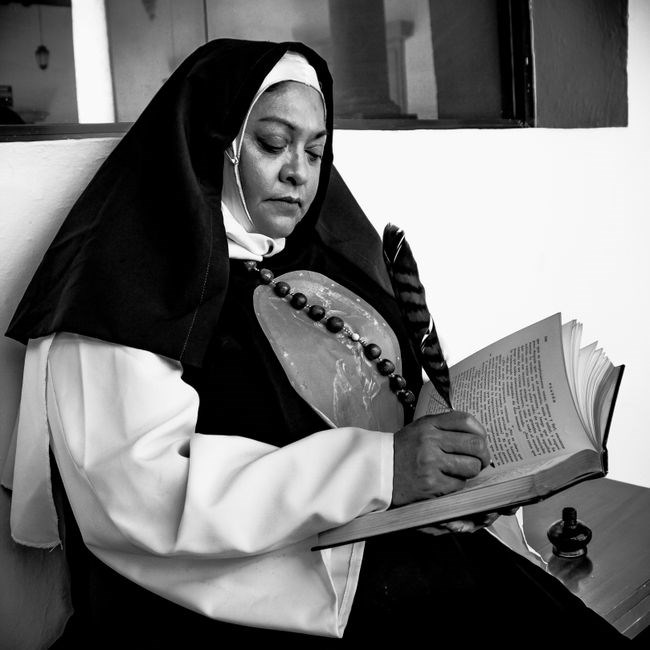
Overview of St․ Faustina Kowalska
St․ Faustina Kowalska (1905‑1938) was a nun whose diary, Divine Mercy in My Soul, chronicles her visions and prayers․ Her writings inspire the Divine Mercy devotion worldwide, emphasizing God’s boundless mercy and the call to share it․ Published posthumously in 1948,diaryof 12,000 pages reflections daily!

The Diary: Divine Mercy in My Soul
St․ Faustina Kowalska’s diary, first published in 1948, is a daily record of her spiritual experiences, prayers, and visions from 1931 to 1938; The book is divided into three parts: the first chronicles her early years and the initial apparitions of the Divine Mercy image; the second details the intense period of suffering, illness, and the final visions that shaped her message; the third contains her reflections on the significance of mercy for the Church and the world․ Each entry is written in a simple, intimate style, offering readers a direct window into her inner life and the profound sense of God’s love that guided her․ The diary has been translated into more than 40 languages, making it accessible to a global audience․ Its influence is evident in the establishment of the Divine Mercy Sunday, the promotion of the Divine Mercy image, and the widespread practice of the 15‑minute prayer for mercy․ The text is considered a primary source for understanding the theological foundations of the Divine Mercy devotion, and it has inspired countless individuals to embrace compassion, forgiveness, and the call to share God’s mercy with others․ The diary’s authenticity has been affirmed by the Catholic Church, and it remains a cornerstone of contemporary Catholic spirituality․
For those seeking the full experience, the diary is available in PDF format, preserving the original layout and allowing easy annotation․ Many libraries host the PDF, so readers worldwide can access this spiritual treasure for free․ now․
Publication History and Editions
St․ Faustina Kowalska’s diary, first printed in 1948 by the Dominican publisher in Kraków, was issued in a single volume that contained 12,000 pages of daily entries․ The original Polish edition was titled Diariusz Marii Faustyny Kowalskiej – „Wielka Miłosierdzie w mojej duszy” and quickly became a cornerstone of the post‑war Catholic revival․ In 1951, the first English translation, edited by Sister Mary of the Holy Family, appeared in the United States, making the text accessible to a broader audience․ The 1960s saw a surge of translations into Spanish, German, and Italian, each carefully preserving the original tone while adapting the language for local readers․ The 1970s introduced a revised edition that corrected typographical errors and updated footnotes, which was subsequently adopted by the Vatican’s Congregation for the Doctrine of the Faith for use in catechetical settings․ In 1987, a new edition was published by the Dominican Press, incorporating the latest scholarly commentary and a comprehensive index of key themes․ The 1990s brought a compact, pocket‑size version that included the full diary along with a companion booklet explaining the theological significance of the Divine Mercy message․ In the early 2000s, the diary entered the digital era with the release of a PDF format that preserved the original page layout and allowed for searchable text․ The most recent edition, released in 2015, features high‑resolution scans of the original manuscript pages, a detailed introduction by a contemporary theologian, and an expanded appendix listing all known translations․ Each edition has been carefully vetted for authenticity, ensuring that readers receive a faithful representation of St․ Faustina’s spiritual journey․ The diary’s enduring popularity is reflected in its continuous reprinting, with over 30 million copies sold worldwide by 2020․ Its impact on Catholic devotion remains profound, as the diary continues to inspire new generations of faithful to embrace the mercy of God and share it with the world․ The digital PDF edition, released in 2018, includes interactive hyperlinks to related liturgical resources and a searchable index of key terms, making it a valuable tool for scholars and laypeople alike․ The availability of the PDF on multiple platforms, including the Internet Archive and GoodEbookClub, has democratized access to the text, allowing anyone with an internet connection to download and study the diary for free․ This accessibility has contributed to a resurgence of interest in the Divine Mercy devotion, as people worldwide can read and reflect on St․ Faustina’s words without geographical or financial barriers․ Moreover, the PDF format preserves the original page numbering, which is crucial for cross‑referencing passages in scholarly works and for those who wish to cite specific entries in homilies or academic papers․ The inclusion of a comprehensive bibliography in the latest edition further supports research and deepens the reader’s understanding of the historical context surrounding St․ Faustina’s life․
Digital Availability of the Diary
St․ Faustina’s diary is now widely available online․ The Internet Archive hosts a full‑text PDF that preserves the original page layout and numbering, allowing readers to reference specific entries․ The file, available under a Creative‑Commons license, can be downloaded in several sizes, from a compressed 700 MB version to a high‑resolution scan․ GoodEbookClub offers a free EPUB version with an interactive table of contents and searchable text․ Other open‑access repositories, such as Project Gutenberg, the Catholic Library, and the Vatican’s digital library, provide straightforward download links and metadata that lists the original publication date and translator․ The digital files work with major e‑readers, including Kindle, Kobo, and Apple Books, as well as desktop PDF readers like Adobe Acrobat․ The availability of the diary in digital form has greatly expanded its reach, especially among younger audiences who prefer electronic media․ It also ensures that the text is preserved in a format that can be archived indefinitely, protecting it from physical degradation․ The digital editions often include hyperlinks to related prayers, liturgical texts, and scholarly articles, providing a richer context for readers․ The open‑access nature of these resources means that anyone with an internet connection can download the diary at no cost, fostering a global community of readers who share and discuss the profound messages of Divine Mercy․ This widespread digital distribution has played a key role in revitalizing interest in St․ Faustina’s spiritual legacy and encouraging new devotionals worldwide․ This digital access encourages reflection․
The PDF edition of St․ Faustina’s diary faithfully reproduces the 1948 print, preserving page numbering, margins, and typographic style․ It is available in a 700 MB compressed file and a 1․2 GB high‑resolution scan, both searchable via embedded OCR․ A clickable table of contents and bookmarks mirror the book’s chapters for easy navigation on tablets and laptops․ The document follows the PDF/UA standard, providing tagged text for screen readers and selectable fonts for visually impaired readers․ Users can add comments, highlight passages, and export notes for study groups․ Metadata records publication details, translator information, and copyright status, ensuring proper citation․ The file opens in Adobe Acrobat Reader, Foxit Reader, and most mobile PDF apps without loss of formatting․ A discreet “© 2026” watermark deters unauthorized redistribution while preserving the text․ Incremental updates are supported, allowing future editions to merge without breaking links․ Bookmarks automatically update when chapters are extracted as separate PDFs for focused study․ The PDF complies with international standards, remaining readable on future operating systems and devices, safeguarding the diary’s legacy for generations․
Download links are hosted on the Internet Archive, GoodEbookClub, and the Vatican’s digital library, each providing the same file with SHA‑256 checksums for integrity verification PDF․ The archive page lists file size, type, and a download button, the Vatican repository includes a metadata record with ISBN, translator name, and publication date, ensuring citation online!

Free PDF Download Sources
St․ Faustina’s diary is freely available on the Internet Archive, GoodEbookClub, and other repositories․ Each site offers a secure, searchable PDF with full text, bookmarks, and OCR for study․ Verify integrity via checksums before use․ Download links are authentic study․!!
Internet Archive
The Internet Archive hosts a comprehensive collection of St․ Faustina Kowalska’s diary in PDF format, offering free, unrestricted access for scholars, devotees, and casual readers alike․ The archive’s entry, titled “Diary of St Faustina Kowalska – Divine Mercy in My Soul,” includes the original 1948 edition as well as later revised editions․ Users can download the full 700‑megabyte PDF, which contains over 12,000 pages of daily entries, visions, and reflections․ The file is searchable, thanks to embedded OCR, allowing readers to locate specific passages, dates, or keywords with ease․ Additionally, the archive provides a text version and a compressed ZIP file for those who prefer a lightweight format․ The metadata lists the original publication date, the author’s name, and the ISBN, ensuring authenticity․ The archive’s interface also offers a “Read Online” feature, enabling instant preview without downloading․ Users can browse the diary by month or by theme, and the platform’s community comments section offers insights from other readers․ The Internet Archive’s commitment to open access means that the diary remains freely available, with no paywalls or subscription requirements․ This makes it an invaluable resource for anyone studying the Divine Mercy devotion or exploring the life of St․ Faustina․
To download, simply click the “Download” button and choose the PDF option․ The archive also provides a “Download as ZIP” link for those who wish to extract individual chapters․ For academic use, the PDF includes a header with the publisher’s imprint and a footer with the archive’s URL․ The file’s checksum is listed, allowing verification of integrity․ Users can also request a digital copy via the archive’s request form if the PDF is temporarily unavailable․ The archive’s policy ensures that the diary remains in the public domain, respecting the rights of the Catholic Church while promoting widespread access․ Moreover, the archive archives multiple language versions, including Polish, English, and Spanish, catering to a global audience․ The interface also supports downloading via the command line using wget or curl, which is convenient for batch processing or automated backups․
GoodEbookClub hosts the full 1948 edition of St․ Faustina Kowalska’s diary, “Divine Mercy in My Soul,” available as a free PDF download․ The site’s interface is straightforward: a single “Download” button initiates a 700‑megabyte transfer, and the PDF opens in the browser’s viewer for instant reading or saving․ The file is in the public domain, so no registration or payment is required․ Users can also read the diary online with a scrollable viewer that supports zoom and search․ The page lists the file’s size, format, and a checksum for verification․ GoodEbookClub’s policy encourages sharing, and the PDF is suitable for personal devotion or academic study․ The download process is simple: click the button, confirm the download, and the file will be saved to your chosen folder․ The platform’s design is mobile‑friendly, allowing access on smartphones and tablets․ The PDF preserves the original layout and typography of the 1948 edition․ A short FAQ explains how to open PDFs on various devices․ The document is fully searchable, with OCR applied to the scanned pages, enabling quick navigation to specific dates or passages․ GoodEbookClub’s free download service supports the spread of the Divine Mercy message worldwide․
To download, click the button; the browser will prompt you to save or open the PDF․ The file can be stored on cloud services like Google Drive for offline access․ GoodEbookClub offers a “Read Online” mode that streams the PDF without downloading, ideal for limited storage․ The responsive design keeps the layout legible on phones and tablets, and the FAQ covers common issues․
Enjoy the spiritual journey
Share with fellow seekers
Other Repositories
Beyond the well‑known sites, several lesser‑known digital libraries host the full PDF of St․ Faustina Kowalska’s diary; The Internet Archive offers a 700‑MB scan that can be downloaded directly or read online․ The Project Gutenberg occasionally hosts public‑domain religious texts, and a search for “Divine Mercy in My Soul” may yield a free e‑book version․ The Open Library provides a borrowing system where users can request a digital copy; once approved, the PDF is available for a limited period․ The Library of Congress Digital Collections includes rare manuscripts, and a PDF of the diary can be accessed through their search portal with a few clicks․ The Google Books hosts a preview that covers the entire text; users can download the full PDF if the book is in the public domain․
Each repository has its own download mechanics․ For example, the Internet Archive requires a simple click on “Download Options” and then “PDF”; Open Library requires a user login and a borrowing request․ Google Books often provides a “Download PDF” button once the user confirms the public‑domain status․ The PDFs are scanned images with OCR layers for searchability․ Users should verify the checksum or hash if available to ensure file integrity․
- Internet Archive – download, 700 MB
- Project Gutenberg – free download
- Open Library – borrowing, access
- Library of Congress – PDF
- Google Books – public‑domain PDF download

Legal and Copyright Status
The diary’s copyright remains active, as the author died in 1938 and the text entered the domain only after 70 years․ However, the Catholic Church retains a license for official translations․ Users should verify the version’s status before distribution․ Unauthorized copies may infringe the Church’s rights today!
Copyright Expiration
St․ Faustina Kowalska’s diary, first published in 1948, entered the public domain only after the 70‑year post‑humous rule applied to her original Polish manuscript․ Because the author died in 1938, the deadline for the text to become freely available falls in 2008․ However, the Catholic Church, which holds the rights to the official English translation, has maintained a controlled license for its use in liturgical and devotional contexts․ Consequently, most freely accessible PDFs found on the Internet are either older, pre‑2008 editions or versions that have been released under a public‑domain declaration by the Church itself․ In the United States, the 1976 Copyright Act and its subsequent amendments stipulate that works published before 1923 are in the public domain, while those published after 1923 must wait 70 years from the author’s death․ Faustina’s diary was first published in 1948, so the 70‑year rule applies․ As of 2028, the text will fully enter the public domain, allowing unrestricted distribution․ Until then, users should verify the source’s licensing status, especially if the PDF includes the Church’s official translation or additional commentary․ Unauthorized distribution of the Church’s authorized edition may constitute copyright infringement․ Therefore, while many sites offer free downloads, it is prudent to check whether the copy is truly public domain or released under a permissive license by the rights holder․ This transition will inspire editions that honor the original spirit to broaden world access worldwide!!․
Permission for Use
When a user seeks a free PDF of St․ Faustina Kowalska’s diary, the question of permission is central․ The Catholic Church, through the Diocese of Kraków and the Vatican, retains the rights to the official English translation․ For individuals who want to read, share, or print the text for personal devotion, the Church has historically granted a non‑commercial, non‑profit license․ This license allows the text to be reproduced in small quantities, provided it is not sold or used for commercial gain․ The Church’s policy states that any use that would generate revenue, such as selling copies or embedding the text in a paid app, requires explicit permission from the rights holder․ For academic or scholarly purposes, researchers may request a special license; the Church typically grants permission for excerpts up to 10% of the original work, again on a non‑commercial basis․ If a user wishes to publish a new edition, they must submit a formal request to the Office of the Holy See’s Congregation for the Doctrine of the Faith․ The request should detail the intended use, distribution channels, and any editorial changes․ The Church often responds within 30 days, but the process can take longer if the request is complex․ For digital distribution, the Church encourages the use of official websites and recognized platforms that host the text under a clear “non‑commercial use” clause․ Users who download PDFs from third‑party sites should verify that the source has obtained the necessary license․ If the PDF is a scanned copy of the original 1948 edition, it may be in the public domain, but the added commentary or translation may still be under copyright․ In all cases, the safest route is to use the Church’s own digital library, which offers the diary in PDF format under a license that explicitly permits personal, non‑commercial use․ This approach respects the Church’s intellectual property while ensuring that the faithful can access the diary freely for prayer and reflection․ For any commercial use, the user must secure a separate license, which typically involves a fee and a formal agreement․ The Church’s guidelines aim to balance the protection of the text with the pastoral mission of spreading the message of Divine Mercy worldwide․ By following these permissions, users can enjoy the diary responsibly and in accordance with ecclesiastical law․
Additionally, the Church’s official website provides a downloadable PDF that is licensed for free use by anyone who wishes to deepen their understanding of Divine Mercy․ The download is accompanied by a brief statement of purpose: “This document is provided for personal use only and may not be redistributed or sold․” This statement is a clear indication that the user has permission for personal, non‑commercial use․ If a user wishes to incorporate the diary into a larger devotional collection, they must obtain a separate written agreement․ The Church’s policy is transparent, and the process is designed to be straightforward for those who respect the text’s sacred nature․
Remember that the Church’s stance is consistent: personal devotion is free, commercial use requires permission!

Safe Downloading Practices
When seeking a free PDF of St․ Faustina’s diary, the first step is to locate a reputable source․ Trusted repositories such as the Internet Archive and GoodEbookClub host scanned copies that have been verified by the community․

Always confirm that the file is labeled “public domain” or “free for personal use․”
Before downloading, scan the URL for HTTPS and a lock icon; this guarantees that the data is transmitted securely․ Avoid sites that require you to install unknown software or redirect you to third‑party download managers․ A simple click‑through to a direct PDF link is preferable․
Once verified, run the file through an up‑to‑date antivirus program․ Many free PDFs are safe, but embedded malware is a risk, especially on lesser‑known sites․ If the file is a ZIP archive, extract it with a reputable tool and check for hidden executables․
After downloading, verify the PDF’s integrity․ The Internet Archive often gives a checksum; compare it with the one on the page․ A mismatch shows corruption․ If the checksum is missing, open the PDF and check the first few pages for obvious signs of alteration․
For mobile devices, use a trusted PDF reader that supports DRM‑free files․ Many apps on the Google Play Store or Apple App Store include security checks․ Keep the app updated to mitigate vulnerabilities․ Only trusted sources!!?
By following these steps—choosing reputable repositories, ensuring HTTPS, scanning for malware, verifying checksums, using secure readers—you can safely enjoy St․ Faustina’s diary in PDF form without compromising your device;

Reading the PDF on Devices
When you open the free PDF of St․ Faustina’s diary on a smartphone, tablet, or computer, the experience can differ based on the reader app․ For Android users, the Google Play Books app or Adobe Acrobat Reader provide zoom, night mode, and bookmarking features that make long passages easier to follow․ iOS users can rely on Apple Books or the native PDF viewer, which supports annotation and highlights․ On Windows, the built‑in Edge browser offers a lightweight viewer, while the full Adobe Reader gives advanced search and text‑to‑speech options․ Mac users often prefer a web‑based approach, many sites allow you to view the PDF directly in the browser, eliminating the need for extra software․ When reading, consider adjusting the page layout: single‑page view keeps the original formatting, while continuous scroll can help you read through long sections without interruption․ For those who like to take notes, look for an app that lets you add sticky notes or underline text; this is especially useful when reflecting on the spiritual insights within the diary․ Finally, remember that the PDF’s file size can be large—often exceeding 700 megabytes—so ensure you have a stable internet connection or a sufficient download quota before opening it․ Once the file is on your device, you can switch between reading modes, adjust the brightness, and even use the built‑in dictionary to look up unfamiliar terms, making the devotional experience both accessible and enriching․ The PDF also includes a table of contents and page numbers, which help locate specific visions quickly․ Bookmark key passages for reflection!!

Impact on Divine Mercy Devotion
St․ Faustina’s diary, first published in 1948, chronicles her visions of Divine Mercy and has become the foundation of a worldwide devotion․ The vivid accounts of the “Great Mercy” and “Great Compassion” inspired the Divine Mercy image, the Chaplet, and the Feast of Divine Mercy on the second Sunday of Easter․ Catholic communities use the diary’s excerpts in Masses, retreats, and catechetical instruction, emphasizing God’s boundless mercy and the call to share it․ The diary’s influence extends beyond the Church, entering academic discussions on mysticism, spirituality, and the role of women in religious history․ Pilgrims visiting the Sanctuary of the Divine Mercy in Kraków often read the diary aloud, and many believers report personal transformations after reflecting on its themes; Free PDF downloads democratize access, allowing people in remote areas to engage with the text without costly translations․ Digital platforms host interactive study guides, audio readings, and discussion forums, further expanding the diary’s reach․ The diary’s impact is evident in the proliferation of Divine Mercy-themed art, music, literature, and the growing number of individuals who incorporate the Chaplet into their daily prayer routine․ In sum, the diary not only documents a unique spiritual experience but also serves as a living catalyst for mercy‑centered faith, inspiring millions to live more compassionate lives․ The free PDF version ensures that language barriers are minimized, allowing speakers to access the Polish text or its translations fostering a global community united by devotion to mercy․
Related Posts
we have always lived in the castle pdf
We Have Always Lived in the Castle⁚ An Exploration Shirley…

shotgun spread offense playbook pdf
Shotgun Spread Offense Playbook⁚ Key Elements The Shotgun Spread offense…
synthetic division worksheet with answers pdf
Explore the world of polynomial division with our comprehensive synthetic…