
The Non-Medical Home Care Assessment Form PDF is a tool designed to evaluate daily living needs, mobility, and personal preferences, guiding caregivers in providing tailored support to individuals requiring non-medical care, ensuring personalized and effective assistance for enhanced well-being and independence.
What is Non-Medical Home Care?
Non-Medical Home Care refers to supportive services provided to individuals in their homes, focusing on daily living tasks rather than medical interventions. These services include assistance with bathing, dressing, grooming, meal preparation, light housekeeping, and mobility support. The goal is to help individuals maintain independence and quality of life while living safely in their own homes. This type of care is ideal for those who require help with non-medical needs, such as older adults, individuals with disabilities, or those recovering from illnesses or injuries. Non-Medical Home Care is typically provided by trained caregivers and is tailored to meet the specific needs and preferences of each client, ensuring a personalized approach to care. The Non-Medical Home Care Assessment Form PDF is a key tool in identifying these needs and creating an effective care plan.
Importance of Home Care Assessments
Home care assessments are crucial for ensuring that individuals receive appropriate and personalized care in the comfort of their own homes. These assessments allow caregivers to identify specific needs, preferences, and challenges, enabling them to develop tailored care plans that address the client’s unique situation. By evaluating daily living requirements, mobility, and personal preferences, home care assessments help ensure that care is both effective and respectful of the individual’s autonomy. They also facilitate communication between clients, caregivers, and healthcare providers, promoting a collaborative approach to care. Regular assessments can identify changes in the client’s condition, allowing for timely adjustments to the care plan. This ensures that the level of support remains aligned with the client’s evolving needs, enhancing their overall well-being and quality of life. Additionally, assessments contribute to compliance with regulatory requirements and documentation standards, ensuring accountability and high-quality care delivery.

Purpose and Benefits
The Non-Medical Home Care Assessment Form PDF is designed to evaluate individual needs and preferences, enabling efficient care planning and ensuring personalized support for optimal well-being.
Understanding the Purpose of the Assessment Form
The Non-Medical Home Care Assessment Form PDF is specifically designed to evaluate the needs, preferences, and capabilities of individuals requiring non-medical care in their homes. Its primary purpose is to gather detailed information about daily living activities, mobility, and personal preferences, ensuring that caregivers can provide tailored support. This form serves as a foundational tool for creating personalized care plans, fostering independence, and enhancing the overall quality of life for clients. By focusing on non-medical aspects, it addresses essential aspects such as household management, meal preparation, and safety within the home environment. The assessment also helps identify any potential challenges or risks, allowing caregivers to address them proactively. Ultimately, the form streamlines the process of delivering effective, client-centered care while ensuring that all aspects of the individual’s well-being are considered. Its structured format makes it easy to use and interpret, making it an invaluable resource for both caregivers and families.
Benefits of Using the Non-Medical Home Care Assessment Form
The Non-Medical Home Care Assessment Form PDF offers numerous benefits, primarily by enabling caregivers to evaluate an individual’s needs comprehensively. It ensures personalized care plans that address daily living activities, mobility, and personal preferences, leading to improved client outcomes. The form streamlines the assessment process, saving time and reducing administrative burdens. Its structured format allows for accurate documentation, minimizing errors and ensuring consistency in care delivery. Additionally, it enhances client satisfaction by tailoring care to individual preferences, fostering independence and dignity. The form also serves as a valuable resource for families and caregivers, providing clear guidance and promoting effective communication. By focusing on non-medical aspects, it complements medical care plans, ensuring a holistic approach to client well-being. Overall, the form is a practical and efficient tool that supports high-quality, client-centered care in home settings.

Structure of the Assessment Form
The Non-Medical Home Care Assessment Form PDF is organized into clear sections, including client information, medical history, physical needs, and care preferences, ensuring a logical flow.
Key Sections of the Form

The Non-Medical Home Care Assessment Form PDF typically includes several key sections designed to gather comprehensive information about the client’s needs and preferences. These sections often cover:
- Client Information: Basic demographic details such as name, age, and contact information.
- Medical History: A summary of health conditions, allergies, and medications to guide care decisions.
- Physical Needs: Assessment of mobility, strength, and ability to perform daily living activities.
- Care Preferences: Specific requests for care, such as meal preferences or cultural considerations.
- Emergency Contacts: Names and contact details of individuals to reach in case of an emergency.
These sections ensure a holistic understanding of the client’s requirements, enabling caregivers to develop a personalized care plan that addresses their unique needs effectively.
Detailed Breakdown of Each Section
The Non-Medical Home Care Assessment Form PDF is divided into several sections, each designed to capture specific details about the client’s situation and needs. The Client Information section includes demographic details, such as name, date of birth, and contact information, as well as the client’s living situation and primary caregiver. The Medical History section provides a snapshot of the client’s health, including chronic conditions, medications, and allergies, ensuring caregivers are aware of any health-related needs.
The Physical Needs section assesses the client’s mobility, strength, and ability to perform daily tasks like bathing, dressing, and meal preparation. The Care Preferences section allows clients to specify their personal choices, such as meal preferences, hobbies, and cultural or religious practices. Finally, the Emergency Contacts section lists individuals to notify in case of an emergency, ensuring quick communication and response.
How to Complete the Assessment Form
Gather necessary documents, input client details, assess physical and cognitive needs, document care preferences, and involve caregivers in the process for accurate and comprehensive evaluation.
Step-by-Step Guide to Filling Out the Form
To complete the non-medical home care assessment form, start by gathering all necessary documents and information about the client. Begin with the client’s personal details, such as name, age, and medical history. Next, assess their physical abilities, including mobility, strength, and balance. Evaluate cognitive function, including memory and decision-making skills. Document any specific care needs, such as assistance with daily tasks or personal care. Review the client’s living environment to ensure safety and accessibility. Include caregiver input to understand their current support system. Identify any risks or challenges that may impact care delivery. Prioritize the client’s needs and create a care plan outline. Finally, review the form for accuracy and completeness before signing and dating it. This structured approach ensures a thorough and personalized assessment.
Involving the Client and Caregivers in the Assessment
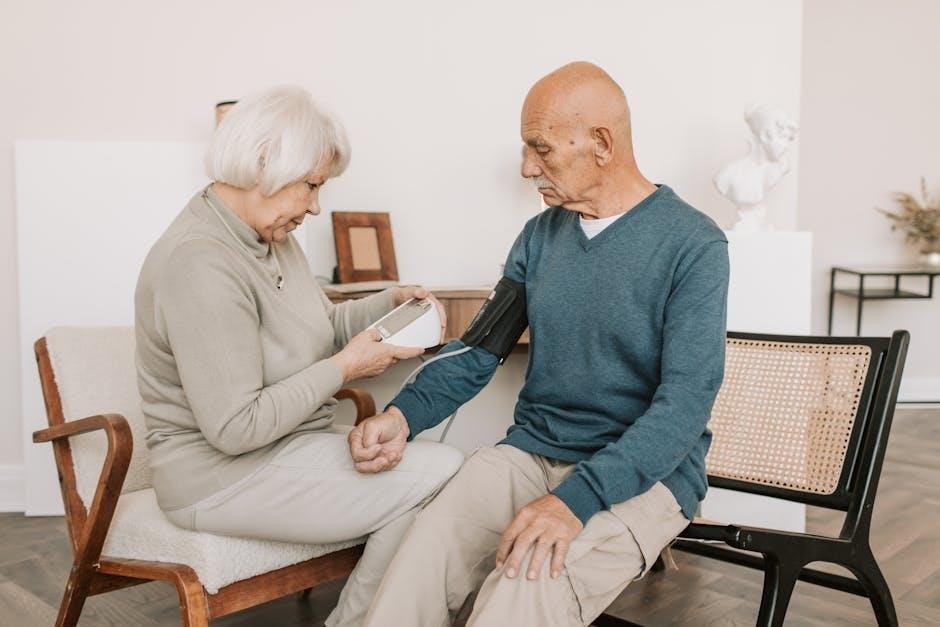
Involving the client and their caregivers in the assessment process is crucial for ensuring personalized and effective care. Start by fostering open communication to understand the client’s preferences, concerns, and goals. Encourage caregivers to share their observations and insights about the client’s daily routines and challenges. Ask specific questions to gather detailed information about the client’s abilities, needs, and any potential risks. Observing interactions between the client and caregiver can also provide valuable context. Ensure the client feels empowered to express their wishes, while caregivers provide practical feedback. This collaborative approach helps create a comprehensive care plan that addresses both the client’s and caregiver’s needs. Active involvement fosters trust and ensures the assessment is accurate and meaningful.
Accessing the Non-Medical Home Care Assessment Form PDF
Access the Non-Medical Home Care Assessment Form PDF through official websites or authorized care providers. It is downloadable and printable for easy accessibility and immediate use.
Where to Find the Form
The Non-Medical Home Care Assessment Form PDF can be easily accessed through various reliable sources. Many home care agencies provide this form on their official websites for free download. Additionally, government health resources and professional caregiving organizations often host the form for public use. You can also find it by searching on platforms like Google using specific keywords such as “Non-Medical Home Care Assessment Form PDF” or “Home Care Needs Assessment Template.” Some healthcare providers and senior care associations offer downloadable versions as well. Always ensure the form is obtained from a credible and official source to maintain accuracy and compliance with industry standards.
Downloading the form from trusted websites guarantees that it includes all necessary sections for comprehensive assessments.
How to Use the PDF Version Effectively
To use the Non-Medical Home Care Assessment Form PDF effectively, start by downloading it from a trusted source, such as a home care agency or healthcare website. Open the form using a PDF reader or editor to fill it out electronically or print it for manual completion. Ensure all sections are completed clearly and legibly, providing detailed information about the client’s needs, preferences, and limitations. Use digital tools to save and share the form securely with caregivers or healthcare providers. For better organization, consider saving separate copies for each client and updating them regularly. Always review the form for accuracy before sharing, and maintain confidentiality by storing it securely. Regular updates ensure the care plan remains relevant and effective over time.
- Fill out the form thoroughly to capture all necessary details.
- Use digital tools for easy editing and sharing.
- Keep the form updated to reflect changing needs.

Best Practices for Conducting Home Care Assessments

Conduct assessments with empathy, ensuring client comfort and confidentiality. Observe daily routines, communicate clearly, and involve caregivers for comprehensive insights. Regular follow-ups help track progress and needs.
Maintain professionalism and respect throughout the process.
Tips for Caregivers and Families
Tips for Caregivers and Families
Caregivers and families play a vital role in the assessment process. Encourage open communication with the assessment team to ensure accurate information gathering. Prepare by organizing relevant documents, such as medical histories and daily routines, to streamline the process.
Create a safe and comfortable environment for the client during the assessment. Actively participate by sharing observations and concerns to provide a holistic view of the client’s needs. Be honest and transparent about the client’s condition and any challenges faced.
Ask questions to clarify expectations and ensure understanding of the care plan. Collaborate with professionals to develop realistic goals tailored to the client’s lifestyle and preferences.
Regularly review and update the care plan to reflect changing needs and progress. This collaborative approach ensures personalized and effective care outcomes.

Observing and Recording Client Needs
Accurate observation and documentation of client needs are essential for effective non-medical home care. Caregivers should closely monitor daily activities, such as bathing, dressing, and mobility, to identify challenges and strengths. Recording these observations helps create a comprehensive care plan tailored to the client’s specific requirements.
Pay attention to cognitive function, memory, and emotional well-being, as these factors influence care delivery. Use the assessment form to document preferences, routines, and any safety concerns in the home environment. Regularly update records to reflect changes in the client’s condition or needs.
Consistency in recording ensures continuity of care and helps track progress over time. This detailed documentation also serves as a valuable resource for healthcare providers and family members involved in the client’s care. By maintaining thorough and accurate records, caregivers can provide high-quality, personalized support.

Regulatory and Compliance Considerations
Non-medical home care must adhere to local, state, and federal regulations. Ensure compliance with privacy laws, such as HIPAA, and maintain accurate documentation for audits and oversight.
Understanding Home Care Regulations
Non-medical home care is governed by federal, state, and local regulations to ensure quality care and safety. These regulations often include standards for caregiver qualifications, training, and background checks. Additionally, home care agencies must comply with privacy laws, such as HIPAA, to protect client confidentiality. Licensing requirements vary by state, but most mandate regular inspections and adherence to care standards. Accreditation from organizations like The Joint Commission or the National Association for Home Care & Hospice (NAHC) can also impact compliance. Understanding these regulations is crucial for agencies to avoid penalties and deliver lawful, ethical care. Proper documentation, including assessment forms, helps demonstrate compliance and provides a clear record of care plans and client progress. Staying informed about regulatory updates ensures ongoing adherence to legal and ethical standards in home care delivery.
Ensuring Compliance with Documentation
Accurate and thorough documentation is essential for ensuring compliance in non-medical home care. The assessment form serves as a critical tool for maintaining detailed records of client needs, preferences, and care plans. By completing the form meticulously, caregivers can demonstrate adherence to regulatory standards and provide a clear audit trail. The form should include sections for client consent, service agreements, and progress notes, all of which help maintain transparency and accountability. Proper storage of these documents, both physically and digitally, is vital to protect client confidentiality and ensure accessibility for audits. Regular reviews and updates to the documentation process can help identify gaps and improve compliance. Training caregivers on proper documentation practices is also key to maintaining accurate and reliable records. This ensures that the care provided aligns with legal and ethical standards, safeguarding both clients and care providers.
The non-medical home care assessment form is a vital tool for ensuring accurate care plans and continuous client support. Regular monitoring and reassessment guarantee optimal care outcomes.
The Importance of Accurate Assessments
Accurate assessments are crucial for creating personalized care plans that address the unique needs of clients. They ensure that home care services are tailored to individual circumstances, fostering independence and well-being. By gathering precise information, caregivers can identify specific challenges, such as mobility issues or cognitive impairments, and develop targeted strategies. Accurate assessments also help prevent potential risks, like falls or medication mismanagement, by highlighting areas that require attention. Additionally, they build trust between clients, families, and caregivers by demonstrating a commitment to understanding and addressing their needs effectively. Regular and precise evaluations ensure that care plans remain relevant and adaptable, promoting better health outcomes and quality of life for clients receiving non-medical home care.
Continuous Monitoring and Reassessment
Continuous monitoring and reassessment are essential in non-medical home care to ensure the care plan remains effective and aligned with the client’s evolving needs. Regular check-ins and periodic reassessments using the assessment form help identify changes in the client’s condition, such as new challenges or improvements. This process allows caregivers to adjust the care plan accordingly, ensuring it stays relevant and effective. Involving clients and caregivers in ongoing monitoring fosters collaboration and a comprehensive understanding of the client’s situation. Continuous reassessment also enables early detection of potential issues, preventing them from escalating. By maintaining a proactive approach, caregivers can ensure the client’s well-being and safety are consistently prioritized. This adaptive process supports long-term care goals and enhances the overall quality of life for those receiving non-medical home care.