Navigating Scotsman ice machine issues requires a systematic approach‚ from checking basic components like water flow and harvest assist‚ to addressing complex sealed system repairs.
Scotsman ice machines are renowned for their durability and consistent ice production‚ serving a wide range of commercial applications – from restaurants and bars to healthcare facilities and hotels. However‚ like any complex equipment‚ they can experience operational issues requiring troubleshooting. Understanding the fundamental components and common failure points is crucial for efficient maintenance and repair.
These machines utilize a sophisticated ice-making process involving water supply‚ evaporation‚ harvesting‚ and storage. Regular cleaning‚ particularly descaling‚ and proper water filtration are paramount to prevent scale buildup and maintain optimal performance. Ignoring these preventative measures can lead to reduced ice production‚ component failures‚ and ultimately‚ costly downtime. This guide aims to provide a comprehensive overview of common Scotsman ice machine problems and their solutions‚ empowering both trained technicians and informed owners to address issues effectively.
Understanding Scotsman Error Codes
Scotsman ice machines employ a diagnostic system utilizing error codes to pinpoint potential malfunctions. These codes‚ displayed on the control panel‚ offer valuable insights into the nature of the problem‚ streamlining the troubleshooting process. For instance‚ Error Code 1 indicates a “No ice sensed” condition‚ potentially signaling issues with the ice thickness sensor or harvest cycle. A flashing Error Code 1 suggests the machine is attempting to retry.
Error Code 2 typically points to an auger motor overload‚ often caused by ice jamming or a faulty motor. It’s crucial to consult the specific machine’s service manual for a complete list of error codes and their corresponding meanings. Remember that indicators‚ like “B” on a C0522SA-1A model‚ aren’t errors but simply signify a full bin. Accurate interpretation of these codes is the first step towards effective repair.
Common Scotsman Ice Machine Problems
Frequently encountered issues with Scotsman ice machines range from simple fixes to more complex repairs. Slow ice production can stem from inadequate cleaning or require a thorough sealed system evaluation. A common problem involves the harvest assist mechanism failing to move‚ even with voltage present – a check without ice is essential. Inspecting the evaporator is vital; ensure horizontal rungs are securely in place and the nickel coating isn’t significantly degraded‚ exposing bare copper.
Insufficient water flow over the evaporator can also hinder ice production. Beyond these‚ electrical component failures‚ such as control board malfunctions or power supply problems‚ are prevalent. Addressing these issues promptly prevents further damage and ensures consistent ice availability. Regular maintenance‚ including descaling and filter replacement‚ is key to preventing many of these problems.
Water Supply Issues
Maintaining a consistent and adequate water supply is crucial for optimal Scotsman ice machine performance. Low water pressure is a frequent culprit‚ hindering sufficient water flow to the evaporator. Regularly inspect and replace the clogged water filter‚ as sediment buildup restricts water passage. A failing water inlet valve prevents water from entering the machine‚ halting ice production entirely.

Troubleshooting begins with verifying water pressure at the machine’s inlet. If pressure is low‚ investigate the building’s water supply. A dirty filter is easily addressed‚ but a faulty inlet valve requires replacement. Ensure the water supply line isn’t kinked or frozen. Proper water filtration‚ as recommended by Scotsman‚ minimizes scale buildup and extends the machine’s lifespan‚ preventing future supply issues.
Low Water Pressure
Insufficient water pressure is a common obstacle to efficient ice production in Scotsman machines. Verify the incoming water pressure meets the manufacturer’s specifications – typically between 20 and 80 PSI. Begin by checking the building’s main water supply; other appliances using water simultaneously can reduce pressure. Inspect the water supply line leading to the ice maker for any kinks or obstructions that restrict flow.
A pressure gauge connected to the machine’s inlet can provide an accurate reading. If pressure remains low despite adequate building supply‚ consider a booster pump to increase water flow. Remember to rule out a clogged water filter‚ as this can mimic low pressure symptoms. Consistent low pressure stresses the water inlet valve and can lead to premature failure‚ so prompt attention is vital.
Clogged Water Filter
A clogged water filter significantly restricts water flow‚ hindering ice production and potentially damaging the ice machine. Scotsman recommends regular water filtration and filter replacement‚ as mineral buildup and sediment accumulate over time. Reduced ice production‚ cloudy ice‚ or an unusual taste can indicate a clogged filter. The frequency of replacement depends on water quality‚ but generally‚ every six months is advised.
Inspect the filter visually for discoloration or debris. Replace the filter with a genuine Scotsman-approved replacement to ensure proper fit and filtration quality. After replacing the filter‚ flush the system by running several gallons of water through it to remove any trapped air or loose particles. Ignoring a clogged filter can lead to scale buildup within the machine‚ requiring costly descaling and potentially impacting performance.
Water Inlet Valve Failure
A malfunctioning water inlet valve prevents water from entering the ice machine‚ resulting in no ice production. This valve is electrically controlled and opens to allow water flow when signaled by the control board. Common causes of failure include electrical issues‚ sediment buildup‚ or a faulty solenoid. Check for voltage reaching the valve when it should be open; if voltage is present but the valve doesn’t open‚ the valve itself is likely defective.
Inspect the valve for any physical damage or obstructions. If the valve is receiving power but still failing‚ replacement is usually necessary. Ensure the new valve is compatible with your specific Scotsman model. Proper water pressure is crucial for the valve to function correctly; verify adequate pressure before replacing the valve. A failed inlet valve often requires a technician for accurate diagnosis and repair.
Ice Making Process Issues
Problems during the ice-making cycle often stem from issues with the harvest assist mechanism‚ evaporator functionality‚ or insufficient water distribution. A failing harvest assist prevents ice from being dislodged from the evaporator plate‚ leading to reduced ice production or complete stoppage. Evaporator problems‚ such as damaged rungs or degraded nickel coating‚ hinder efficient freezing and ice formation.
Insufficient water flow over the evaporator is a frequent culprit‚ potentially caused by clogged water distribution tubes or a malfunctioning water inlet valve. Regularly cleaning the evaporator with a descaling solution is vital for optimal performance. Thoroughly inspect the evaporator for any physical damage and ensure all areas receive adequate water coverage. Addressing these issues promptly restores efficient ice production.
Harvest Assist Malfunction
A malfunctioning harvest assist is a common cause of reduced ice production or complete failure in Scotsman machines. This component’s role is to gently separate the newly formed ice from the evaporator plate. Verify the harvest assist is receiving voltage when it should be active‚ and physically check its movement – it should operate even without ice present.
If the assist isn’t moving despite voltage‚ the motor may be faulty and require replacement. Ensure there are no obstructions preventing its movement. A properly functioning harvest assist is crucial for a consistent ice-making cycle. Ignoring this issue can lead to ice buildup‚ evaporator damage‚ and ultimately‚ a non-functional ice machine.
Evaporator Problems
The evaporator is the heart of the ice-making process‚ and issues here significantly impact production. Begin by visually inspecting the evaporator for any physical damage‚ specifically checking the horizontal rungs. Run your hand across them – they should be smooth‚ with no protrusions indicating they’ve popped out of place. Address any displaced rungs immediately to prevent further complications.
Critically‚ examine the nickel coating on the evaporator surface. Degradation of this coating‚ exposing bare copper in more than approximately 5% of the surface area‚ reduces efficiency and can lead to corrosion. Regular descaling is vital to maintain evaporator health. A clean evaporator ensures optimal water flow and heat transfer‚ maximizing ice production and extending the machine’s lifespan.
Damaged Evaporator Rungs
Dislodged or damaged evaporator rungs are a common issue hindering ice production. These rungs guide the water flow evenly across the evaporator plate‚ ensuring consistent freezing. When rungs are out of place‚ water distribution becomes uneven‚ resulting in reduced ice volume or oddly shaped ice. A simple diagnostic step is to manually run your hand from the top to the bottom of the evaporator.
Any noticeable protrusions or irregularities indicate a rung has shifted. Carefully reposition any displaced rungs‚ ensuring they are securely seated in their original positions. Ignoring this issue can lead to further damage to the evaporator plate itself‚ potentially requiring costly repairs or replacement. Regular inspection during cleaning helps prevent significant damage.
Nickel Coating Degradation
The evaporator plate in a Scotsman ice machine is coated with nickel to facilitate efficient ice formation and prevent corrosion. Over time‚ this nickel coating can degrade‚ exposing the underlying copper. While some minor exposure is acceptable‚ significant degradation compromises ice production. Inspect the evaporator plate carefully for areas where the nickel has worn away‚ revealing bare copper.
If more than approximately 5% of the surface area shows exposed copper‚ it indicates a problem. This degradation reduces the plate’s ability to freeze water effectively‚ leading to thinner ice or reduced capacity. Regular descaling and proper water filtration are crucial preventative measures. Severe degradation often necessitates evaporator plate replacement‚ a substantial repair cost.
Insufficient Water Flow Over Evaporator
Proper water distribution across the evaporator plate is vital for consistent ice production. Insufficient flow results in uneven ice formation‚ reduced capacity‚ or complete ice-making failure. Begin by verifying the water inlet valve is fully open and functioning correctly‚ ensuring adequate water pressure reaches the machine. Inspect the spray nozzles or distribution system for blockages caused by mineral buildup or debris.
Carefully observe the water flow during a harvest cycle; all areas of the evaporator should be consistently wetted. Uneven coverage suggests a clogged nozzle or a problem with the water distribution manifold. Regular descaling and the use of a quality water filter are essential to prevent these issues. Address any obstructions promptly to restore optimal performance.
Electrical Component Failures
Scotsman ice machines rely on a complex network of electrical components‚ and failures within these systems can manifest in various error codes and operational issues. Common culprits include the control board‚ auger motor‚ and power supply. Control board issues can range from minor glitches to complete failures‚ often requiring professional diagnosis and replacement.
Error Code 2 frequently indicates an auger motor overload‚ potentially due to ice jamming or a faulty motor. Power supply problems‚ signaled by Error Code 1‚ can stem from voltage fluctuations or a failing power supply unit. Always prioritize safety when dealing with electrical components; disconnect power before inspection. Professional assistance is recommended for complex electrical repairs.
Control Board Issues
The control board serves as the brain of a Scotsman ice machine‚ orchestrating all operational functions. Malfunctions can present as erratic behavior‚ complete shutdowns‚ or specific error codes. Diagnosing control board problems often requires a multimeter to test voltage levels and continuity of various components. Inspect the board for any visible signs of damage‚ such as burnt components or swollen capacitors.
Sometimes‚ a simple power cycle can resolve minor glitches‚ but persistent issues usually necessitate board replacement. Ensure the replacement board is the correct model for your specific ice machine. Professional technicians utilize specialized diagnostic tools and expertise to accurately pinpoint control board failures and perform safe‚ effective repairs. Improper handling can cause further damage.
Auger Motor Overload (Error Code 2)
Error Code 2 on a Scotsman ice machine signals an overload in the auger motor‚ responsible for moving ice from the evaporator to the storage bin. This often indicates a mechanical obstruction preventing the auger from rotating freely. Common causes include ice buildup‚ foreign objects lodged within the auger assembly‚ or a failing auger motor itself.
Initial troubleshooting involves visually inspecting the auger path for obstructions and manually attempting to rotate the auger. If resistance is felt‚ carefully remove any blockages. Check the motor for signs of overheating or damage. A multimeter can verify the motor is receiving proper voltage. If the motor continues to overload‚ replacement is typically required. Ignoring this error can lead to motor burnout and further damage.
Power Supply Problems (Error Code 1)

Scotsman Error Code 1 indicates a problem with the ice machine’s power supply or ice sensing. A consistent Error Code 1 suggests the machine isn’t detecting ice production‚ potentially shutting down prematurely. However‚ it frequently originates from insufficient or unstable power reaching the unit. Begin by verifying the machine is properly plugged into a functioning outlet with the correct voltage.
Check the circuit breaker dedicated to the ice machine; a tripped breaker will obviously cause this error. Inspect the power cord for any damage. Use a multimeter to confirm voltage at the machine’s terminal block. A flashing Error Code 1 signifies the machine is retrying to sense ice. If power is stable‚ the issue may lie with the ice thickness sensor‚ requiring further investigation or professional service.
Ice Storage & Dispensing Problems
Issues with ice storage and dispensing can disrupt operations‚ ranging from a full bin indicator to complete blockage. The “Bin Full” indicator (Code B ― C0522SA-1A) isn’t an error‚ but a notification that the bin has reached capacity; ensure the bin isn’t overfilled and the sensor functions correctly. Ice jamming within the dispenser is a common problem‚ often caused by melted and refrozen ice creating obstructions.
Inspect the dispenser chute for ice buildup and carefully remove any obstructions. Verify the auger motor is functioning correctly‚ as a faulty motor won’t move ice efficiently. Check for foreign objects within the bin that could contribute to jamming. Ensure proper bin ventilation to prevent excessive moisture and ice clumping. Regular cleaning and maintenance are crucial to prevent these issues and maintain optimal performance.

Bin Full Indicator (Code B ― C0522SA-1A)
The indicator labeled “B” on a Scotsman C0522SA-1A model isn’t actually an error code‚ but rather a simple status notification signifying the ice bin is full. This means the machine is functioning as intended and has reached its maximum ice production capacity. However‚ a consistently illuminated “B” when the bin appears not full suggests a potential issue with the bin level sensor.
Inspect the sensor for physical damage or obstructions. Verify its wiring connections are secure and free from corrosion. A malfunctioning sensor might falsely report a full bin‚ halting ice production. If the sensor appears functional‚ examine the bin itself for any obstructions preventing proper ice level detection. Ensure the bin isn’t overloaded with ice‚ as this can trigger the indicator. Proper sensor calibration is also key.
Ice Jamming in Dispenser
Ice jamming within the dispenser mechanism is a common issue‚ often stemming from moisture buildup or inconsistent ice formation. Initially‚ check for any visible obstructions like ice chunks or foreign objects blocking the dispensing chute. Ensure the dispenser’s moving parts‚ such as the auger or rotating components‚ are free from ice accumulation and move smoothly.
Fluctuations in water temperature or inconsistent ice cycles can contribute to the formation of wet‚ clumped ice. Verify proper water flow and temperature settings. Inspect the dispenser’s internal components for wear or damage‚ particularly the auger blades or dispensing gate. A worn or damaged component can hinder smooth ice flow. Regular cleaning and descaling can prevent mineral buildup that exacerbates jamming. Consider checking the harvest assist function as well.
Cleaning and Maintenance
Consistent cleaning and preventative maintenance are crucial for optimal Scotsman ice machine performance and longevity. Regular descaling is paramount‚ removing mineral buildup that reduces efficiency and can lead to component failure. Utilize a Scotsman-approved descaler‚ following the manufacturer’s instructions carefully to avoid damage. Water filtration is also highly recommended; impurities in the water supply contribute to scale formation and affect ice quality.
Routine cleaning of the evaporator‚ water troughs‚ and dispenser components prevents bacterial growth and ensures sanitary ice production. Inspect and clean water filters regularly‚ replacing them as needed. A clean machine operates more efficiently‚ produces clearer ice‚ and minimizes the risk of costly repairs. Following the manufacturer’s recommended maintenance schedule is vital for sustained‚ reliable operation.

Importance of Regular Descaling
Descaling is a critical maintenance procedure for Scotsman ice machines‚ directly impacting performance and lifespan. Mineral deposits‚ primarily calcium and lime from water‚ accumulate over time on internal components‚ especially the evaporator. This buildup reduces heat transfer efficiency‚ forcing the machine to work harder and consume more energy. Reduced efficiency translates to slower ice production and potentially compromised ice quality.
If left unchecked‚ scale can cause significant damage‚ leading to evaporator restrictions‚ harvest assist malfunctions‚ and even compressor failure. Regular descaling – typically every six to twelve months‚ depending on water hardness – removes these deposits‚ restoring optimal operation. Always use a descaling solution specifically designed for ice machines‚ and carefully follow the manufacturer’s instructions to prevent damage to sensitive parts.
Recommended Water Filtration
Scotsman strongly recommends utilizing a water filtration system with all ice machines to safeguard internal components and ensure consistently high-quality ice. Water filtration removes impurities like sediment‚ chlorine‚ and minerals that contribute to scale buildup‚ impacting performance and taste. Choosing the correct filter is crucial; consider your local water quality and the specific Scotsman filter recommendations for your model.
Sediment filters remove particulate matter‚ while carbon filters address chlorine and other taste/odor issues. Scale inhibiting filters are particularly beneficial in areas with hard water‚ reducing the frequency of descaling. Regular filter replacement – typically every six months‚ or as indicated by the filter manufacturer – is essential for maintaining effectiveness. Proper filtration extends machine life‚ minimizes maintenance‚ and delivers superior ice.
Advanced Troubleshooting ⎼ Sealed System Repairs
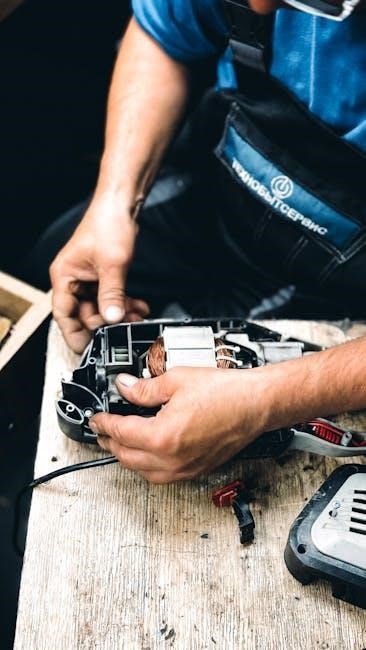
Sealed system repairs on Scotsman ice machines are complex and require a qualified‚ certified technician. These systems contain refrigerant under high pressure and involve intricate components like the compressor‚ evaporator‚ and condenser. Attempting DIY repairs can be dangerous and void warranties.

Refrigerant leaks are a common issue‚ manifesting as reduced ice production or complete failure. Technicians use specialized equipment to locate and repair leaks‚ then recharge the system with the correct refrigerant type. Compressor failure is another serious problem‚ often requiring compressor replacement. Diagnosis involves checking electrical connections‚ oil levels‚ and internal compressor function. Due to the complexity‚ sealed system repairs are best left to professionals ensuring safety and optimal performance.
Refrigerant Leaks
Refrigerant leaks within a Scotsman ice machine significantly diminish its cooling capacity‚ leading to reduced ice production or complete system failure. Identifying these leaks requires specialized tools‚ including electronic leak detectors and UV dye methods. Common leak locations include flared connections‚ compressor seals‚ and evaporator coils.
Once a leak is pinpointed‚ the system must be evacuated to remove remaining refrigerant before repair. Repairs typically involve brazing or replacing the damaged component. After the repair‚ a thorough vacuum is performed to eliminate moisture and air‚ followed by a precise refrigerant recharge to the manufacturer’s specifications. Improper refrigerant levels can severely impact performance and efficiency‚ so professional handling is crucial.
Compressor Failure
Compressor failure represents a major issue in Scotsman ice machines‚ often necessitating costly repairs or replacement. Symptoms include a lack of cooling‚ unusual noises emanating from the compressor unit‚ or the compressor failing to start. Electrical issues‚ overheating due to restricted airflow‚ or internal mechanical breakdowns can cause compressor failure.
Diagnosis involves checking the compressor’s electrical connections‚ testing its windings for shorts or opens‚ and verifying proper oil levels. If the compressor is deemed faulty‚ replacement is typically the most practical solution. Proper refrigerant recovery is essential before disconnecting the old compressor‚ followed by careful installation of the new unit and a complete system recharge. Professional expertise is vital for this complex repair.
Related Posts

season of discovery tailoring guide
Tailoring in Season of Discovery In WoW Classic's Season of…
wow classic sod leatherworking guide
Welcome to our comprehensive guide on Leatherworking in World of…

blackstone temperature guide
Blackstone Griddle Temperature Guide Unlock the secrets to masterful griddle…